

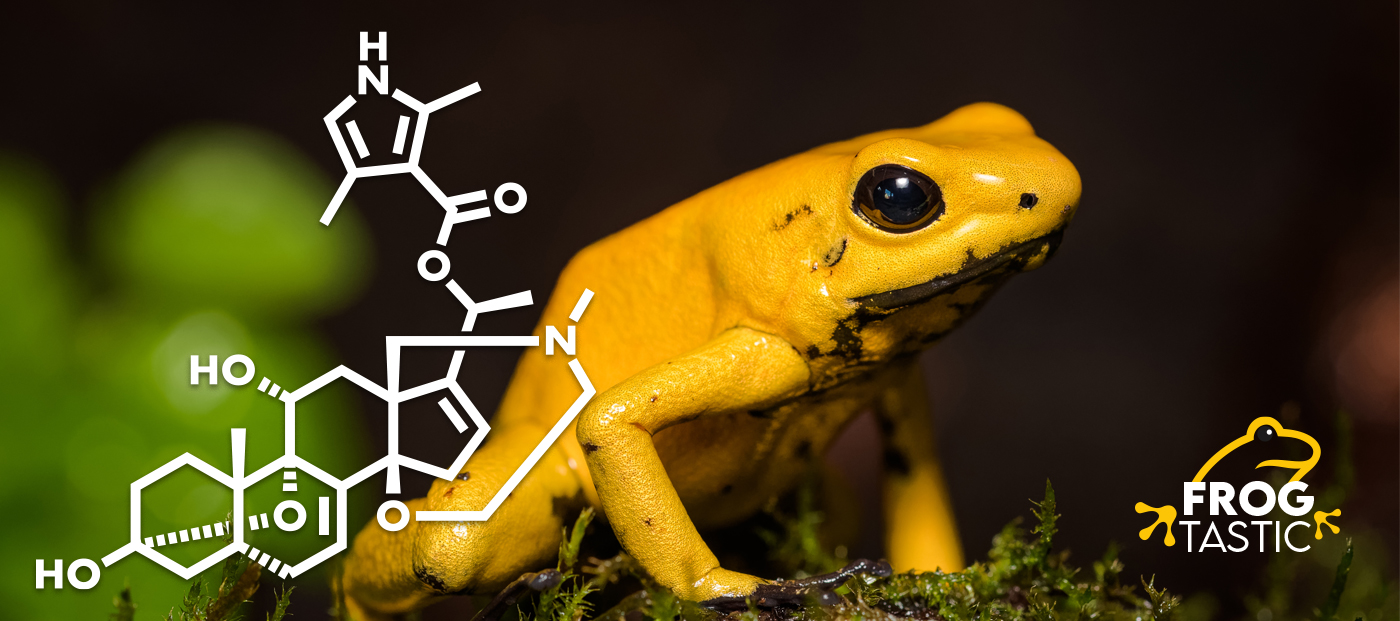
The Power of Poison in the Wild (Deep Dive with a Splash of Humor)
When we think of "mighty" creatures, we often imagine animals with fangs, claws, and muscles. But in the rainforests of Central and South America, a tiny amphibian, no bigger than your pinky finger, is the undisputed heavyweight champion of survival: the dart frog. These pint-sized powerhouses might be small, but their toxic punch packs a serious wallop. Let’s leap into the science behind their small but mighty persona—and add a little humor to the mix!
The Chemical Makeup: Alkaloids and Their Role in Frog Funk
Dart frogs are like nature’s own version of a superhero—except instead of laser eyes, they have a superpower known as batrachotoxin, a deadly alkaloid found in their skin. These frogs don’t create the poison themselves, though. Oh no, they’re not that advanced. They get it from their diet. Think of dart frogs as tiny, colorful vampires—they suck up their poison by eating ants, mites, termites, and other unsuspecting insects that just happen to be rolling in these toxic chemicals.
So what exactly happens when a predator eats one of these frogs? Imagine trying to make a sandwich, only to realize the lettuce is actually a shockingly strong electrical current that will cause your entire nervous system to short-circuit. That’s basically what happens when a snake or bird tries to snack on a dart frog. The poison messes with the predator’s sodium channels, causing muscle paralysis and, eventually, a pretty disastrous end to the meal. Nature’s version of "don’t eat the weirdly colorful food at the buffet."
The Role of the Diet: A Poisonous Buffet (Frogs Only, No Humans Allowed)
Now, you might be wondering, why don’t all frogs produce poison? (And why aren’t frogs considered the worst lunch option in the animal kingdom?) The truth is, not all frogs are picky eaters—some are just regular, garden-variety froglets munching on bugs like a normal amphibian. But dart frogs, oh no, they have refined tastes. They specifically seek out toxic ants and beetles, essentially ordering take-out from the Poisonous Insect Buffet.
In the wild, dart frogs are dietary specialists, which means their eating habits are critical to their toxicity. If you raise one in captivity, feeding it a regular frog menu of fruit flies and other non-toxic foods, the little guy will remain as harmless as a stuffed animal. So, if you’re ever considering adopting a dart frog, just know that without the right ingredients, you’re not getting a poison-packed amphibian. Think of it like trying to make a margarita with non-alcoholic ingredients—no fun.
Evolution and Adaptation: The Tiny Frog with the Big Warning
Dart frogs are so small that they make a mouse look like a giant in comparison. But don’t let that size fool you—these little critters have evolved some of the most *over-the-top* warning strategies in the animal kingdom. Their bright colors are like neon signs flashing "DANGER!" in the face of any would-be predators. It’s nature’s version of a "Do Not Disturb" sign, except it’s more like "Do Not Eat, or You Will Regret It!"
But here’s the kicker: evolution didn’t just give them these flashy colors for fun. No, it gave them bright hues to advertise their toxicity. "Yeah, I’m tiny, but I’m toxic—good luck with that, buddy!" It’s like wearing a shirt that says, "I may be small, but I have an actual weapon." The frogs' colors are so bold and in-your-face that even the dumbest of predators eventually learn to avoid them.
The Mechanism of Toxicity: Poisoned? More Like Toasted
When a predator does, in rare moments of pure bad decision-making, try to munch on a dart frog, they quickly discover the frog is packing some serious heat. Dart frog toxins target the sodium channels in the nervous system—basically, they mess with the electrical wiring in the predator’s body. It’s like a system overload that causes muscle spasms, paralysis, and in extreme cases, a dramatic demise. One taste of this frog’s secret sauce, and the predator is officially *out of service*.
The best part? All of this happens without the frog having to lift a finger (or a toe, since they have tiny legs). It's the ultimate "I’ll make you regret it, but I won’t even break a sweat" survival tactic. It’s like being the smallest kid on the playground who has a big brother ready to intervene at any moment. Classic power move.
Dart Frogs and Human Medicine: Can Poison Save Lives?
So, humans might be wondering: "Is there any way I can use this amazing dart frog power for good, rather than just being scared of it?" Good news—scientists are actually studying dart frog toxins for medical purposes. Yes, that’s right—dart frogs might just hold the key to solving some of our biggest health issues. Researchers are looking into ways that the compounds found in dart frog venom could help develop new painkillers that work better and have fewer side effects than current medications.
Imagine a future where the tiny dart frog becomes the unlikely hero in medicine, saving us from chronic pain. Who knew that something so small, and so colorful, could be a future pharmaceutical giant? The frogs are probably looking at us thinking, "Yeah, we knew we were *mighty*."
Conservation and the Future of Dart Frogs: Protecting the Mighty Little Warriors
While dart frogs may have the power to take down a predator, they’re not immune to the dangers of the modern world. Deforestation, climate change, and the ever-present threat of the pet trade are putting these frogs at risk. These tiny, mighty creatures need our help if they’re going to continue living their toxic, colorfully-brilliant lives.
If you’re thinking of getting a dart frog as a pet, make sure you’re supporting breeders who practice sustainable and ethical methods. Remember, it’s not just about having a cool frog on your shelf—it’s about keeping these incredible creatures alive and thriving in the wild. Because, let’s face it, we can’t let the frogs go extinct. Who else is going to teach us about survival via bright colors and poisonous skin?
Conclusion: The Mighty Power of Small
Dart frogs may be small in stature, but they’re big in survival strategy. With their toxic skin, bold colors, and unique evolutionary adaptations, these frogs prove that good things really do come in small, toxic packages. They are the true embodiment of “small but mighty,” reminding us that sometimes, it’s not the size of the creature, but the strength of its strategy, that makes it truly powerful.
So next time you see a dart frog, remember: that little frog is probably looking at you thinking, “You can’t touch me... literally.” And, let’s be honest, it’s probably right.
Follow Me on Social Media!
Stay connected and dive deeper into the world of dart frogs, tree frogs, and other critter care tips:
🐸 Facebook: facebook.com/VenomousFrogs/
🎥 YouTube: youtube.com/@Frog-Tastic
📸 Instagram: venomousfrogs
Join the community and share your love for these amazing amphibians! 🌿